
The Pipestone Blog
Seasonal checklists, product notes and practical advice from our yard to yours.
Muck Tub Sizes in Litres: 40 vs 70 Quart, Flex Tubs and Carts
How big is a 40 or 70 quart muck tub in centimetres and litres? Little Giant's own dimensions, the Tuff Stuff Flex Tub sizes converted, and the carts we list.
Read post →Electric Cattle Prods in Canada: What the Beef Code Says
What the Code of Practice for the Care and Handling of Beef Cattle says about electric prods, and the paddles, prods, shafts and parts we list.
Read post →Incubator Temperature and Humidity for Chicken Eggs: Little Giant's Directions
What temperature and humidity to run an incubator at for chicken eggs, when to turn, candle and lock down — from Miller's Little Giant instructions.
Read post →Dehorning Calves: Paste, Hot Iron or Barnes Dehorner?
When to disbud or dehorn calves, and how paste, hot-iron and Barnes scoop dehorners fit, in the Beef Cattle Research Council's words, with the Code rule.
Read post →Chick Starter, Grower or Layer Feed: When to Switch Chickens
Starter, grower or layer? The ages for each stage from Masterfeeds RWA feeding directions, with intake figures, grit, oyster shell and water tips.
Read post →Calf Castration: Bands, Burdizzo or Knife? What the BCRC and the Beef Code Say
When to castrate calves, how banding, Burdizzo and surgical castration differ, and the Code of Practice pain-control rule, quoted from the BCRC.
Read post →What Does DIN Mean on a Veterinary Product? Health Canada's Definition
Health Canada's definition of a Drug Identification Number (DIN), what the Drug Product Database statuses mean, and the veterinary products we list with their DIN cited.
Read post →Chicken Waterers and Feeders: Types, Height and Cleaning (Alberta Small-Flock Guide)
What Alberta's small-flock guide says about nipple, bell and cup drinkers, feeder and waterer height, winter water and cleaning, with the waterers and feeders we list.
Read post →How to Estimate a Horse's Weight: Weight Tape, Girth Table or Scale
Ontario's agriculture ministry on weighing a horse: how to use a weight tape, its girth-to-weight table and formula, and when only a scale will do.
Read post →Bed Bug Spray, Powder or Diatomaceous Earth? What Canadian Labels Allow
Health Canada's bed bug advice, and what the Domestic-class bed bug spray, diatomaceous-earth spray and pyrethrin powder labels we list allow and forbid.
Read post →How to Clean and Oil a Saddle: Saddle Soap and Neatsfoot Oil Steps
Fiebing's own directions for cleaning saddles and tack with saddle soap, drying the leather, and oiling it with neatsfoot oil or mink oil paste, with the products we list.
Read post →Cattle Needle Size Chart: Gauge, Length, Syringes and Injection Sites
The Beef Cattle Research Council's needle chart (gauge and length by weight and route), its 10 mL-per-site and needle-change guidance, and the needles and syringes we list for each row.
Read post →Electric Fence Supplies Checklist: Ground Rods, Insulators, Gates and Testers
How many ground rods, what voltage to read in summer and winter, which insulators, how to carry power across a gate, and the parts we list for each.
Read post →Mouse and Rat Traps in Canada: Snap, Wood, Glue or Live-Catch?
Health Canada's guidelines for sizing, placing, baiting and checking mouse and rat traps, and the snap, wooden, glue and live-catch traps we list.
Read post →Which Ortho Ant B Gon Max Do You Need? Seven Canadian Labels Compared
Spray, foam, granules, liquid, traps or gel? The seven Ortho Ant B Gon Max labels side by side: where each is allowed, ant hills, carpenter ants and repeat intervals.
Read post →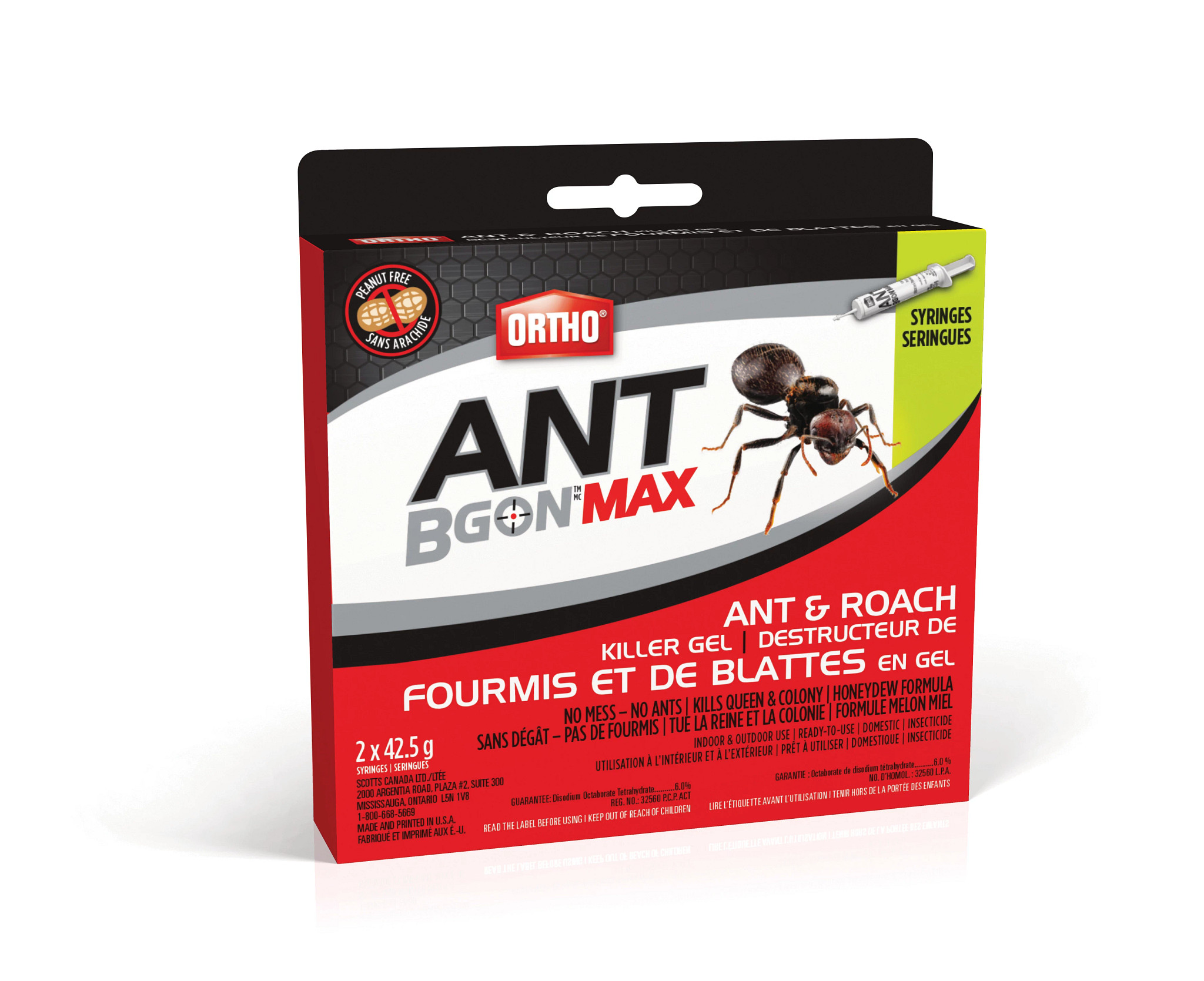
Cockroach & Ant Gel Bait in Canada: How to Use Ortho Ant B Gon Max Gel
What the Health Canada label for Ortho Ant B Gon Max Ant & Roach Killer Gel says about placement, how long to leave bait out, sprays nearby and precautions.
Read post →Is Ice Melt Safe for Concrete? Scotts EZMELT Directions for Alberta Driveways and Sidewalks
What Scotts says about using EZMELT ice melter on concrete, lawns and plants, how to apply it, and what Edmonton's bylaw says about clearing sidewalks.
Read post →How to Keep Mice Out of an RV, Camper or Trailer Over Winter: What the Labels Allow
Storing an RV, camper or trailer for winter? What the Rodents Away and Tomcat labels allow inside an RV, how to place and check sachets, and Alberta's cleanup advice.
Read post →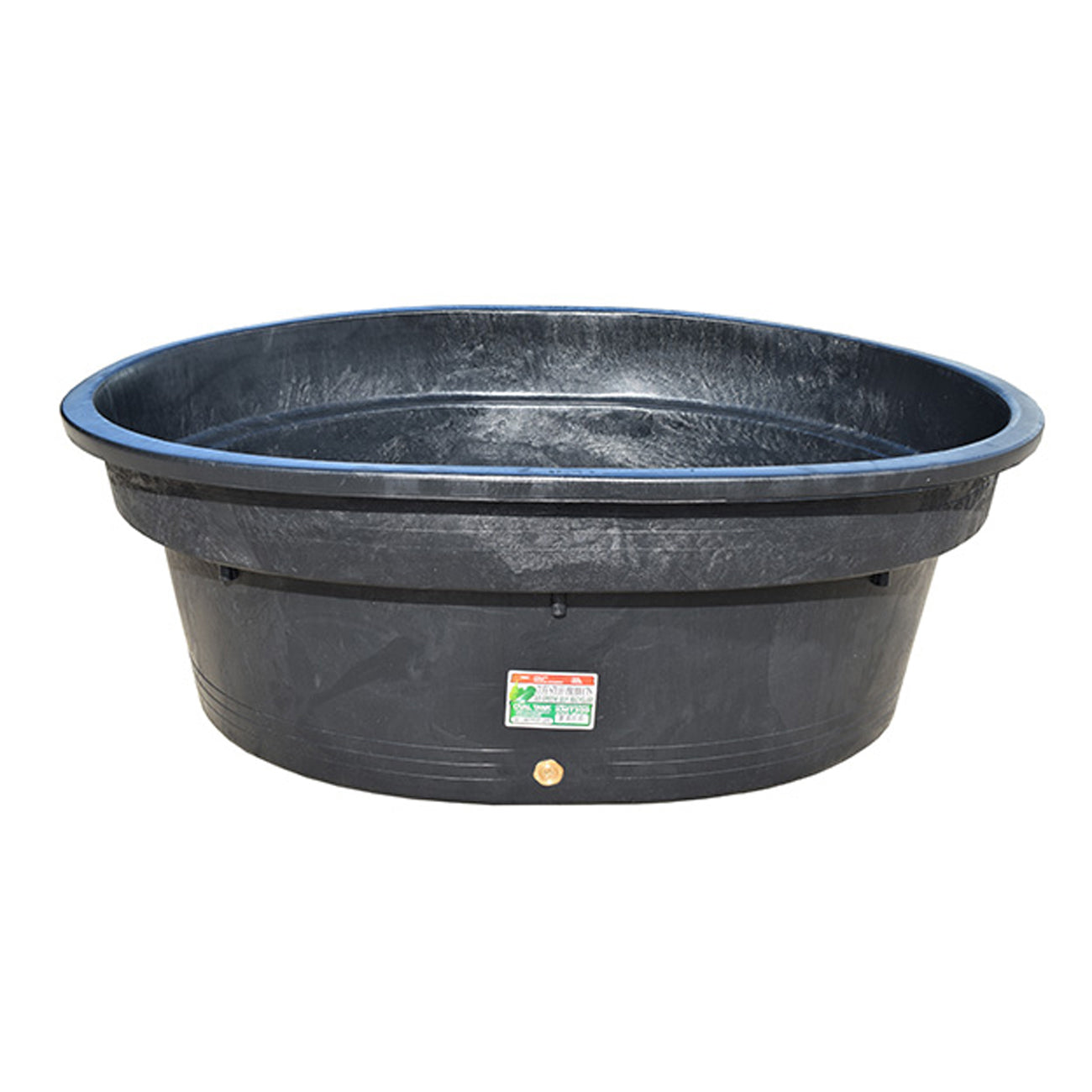
What Size Stock Tank Do You Need? Tank Sizes vs Daily Water Use
Alberta Agriculture daily water figures for horses, cattle and sheep in litres, set against every Tuff Stuff stock tank we carry, from 15 to 180 gal.
Read post →Safe-Guard for Cattle: Fenbendazole Dose, Withdrawal and the Canadian Label
How much Safe-Guard Suspension per cow, the 10-day meat withdrawal, milk, the worms its label lists for cattle, and why the horse paste is not a cattle product.
Read post →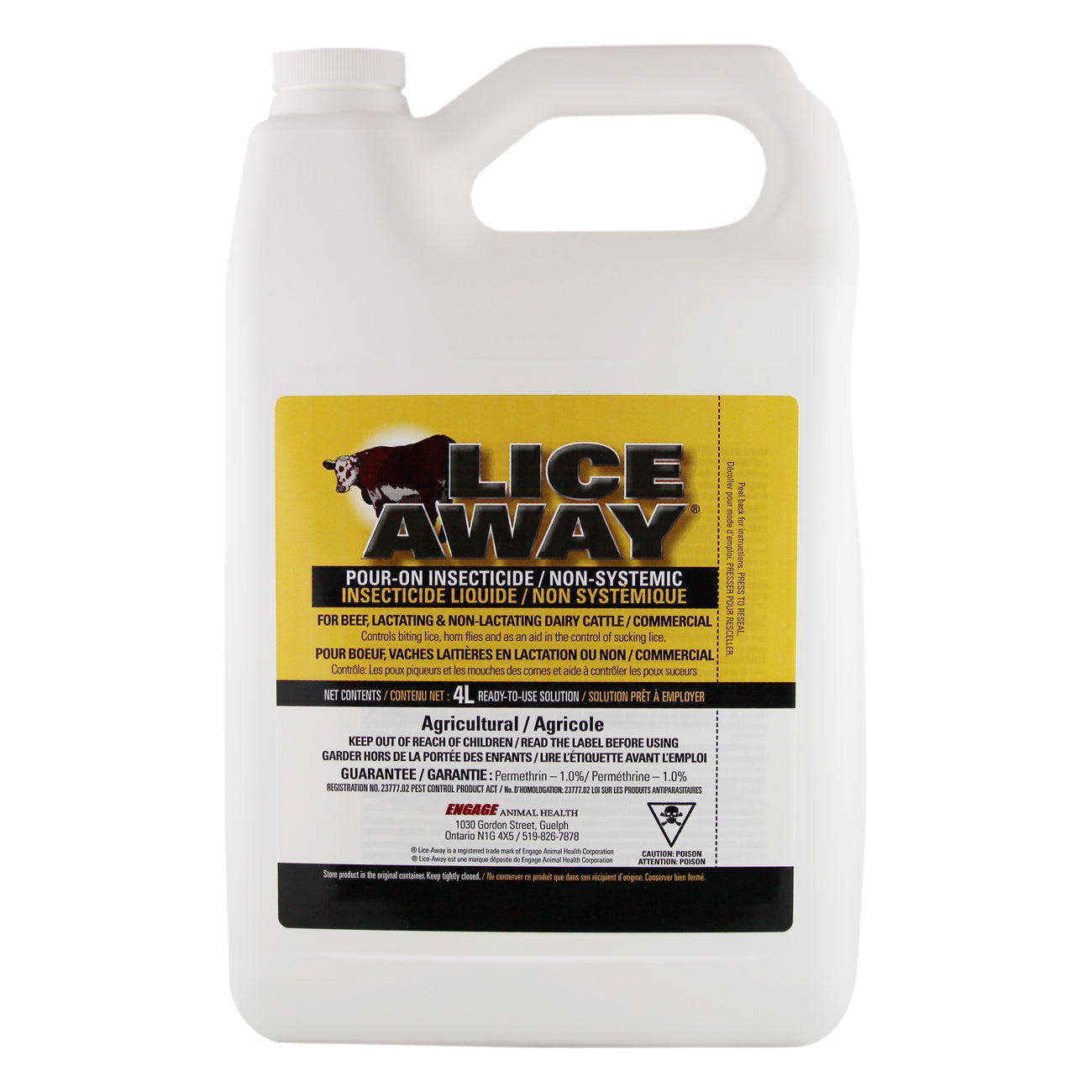
Cattle Lice Pour-Ons in Canada: Lice-Away, BackLine and Bimectin by Label
Lice-Away, BackLine and Bimectin Pour-On compared from their Canadian labels: rate per animal, the 14-day and two-a-year repeat limits, slaughter intervals and the dairy rules.
Read post →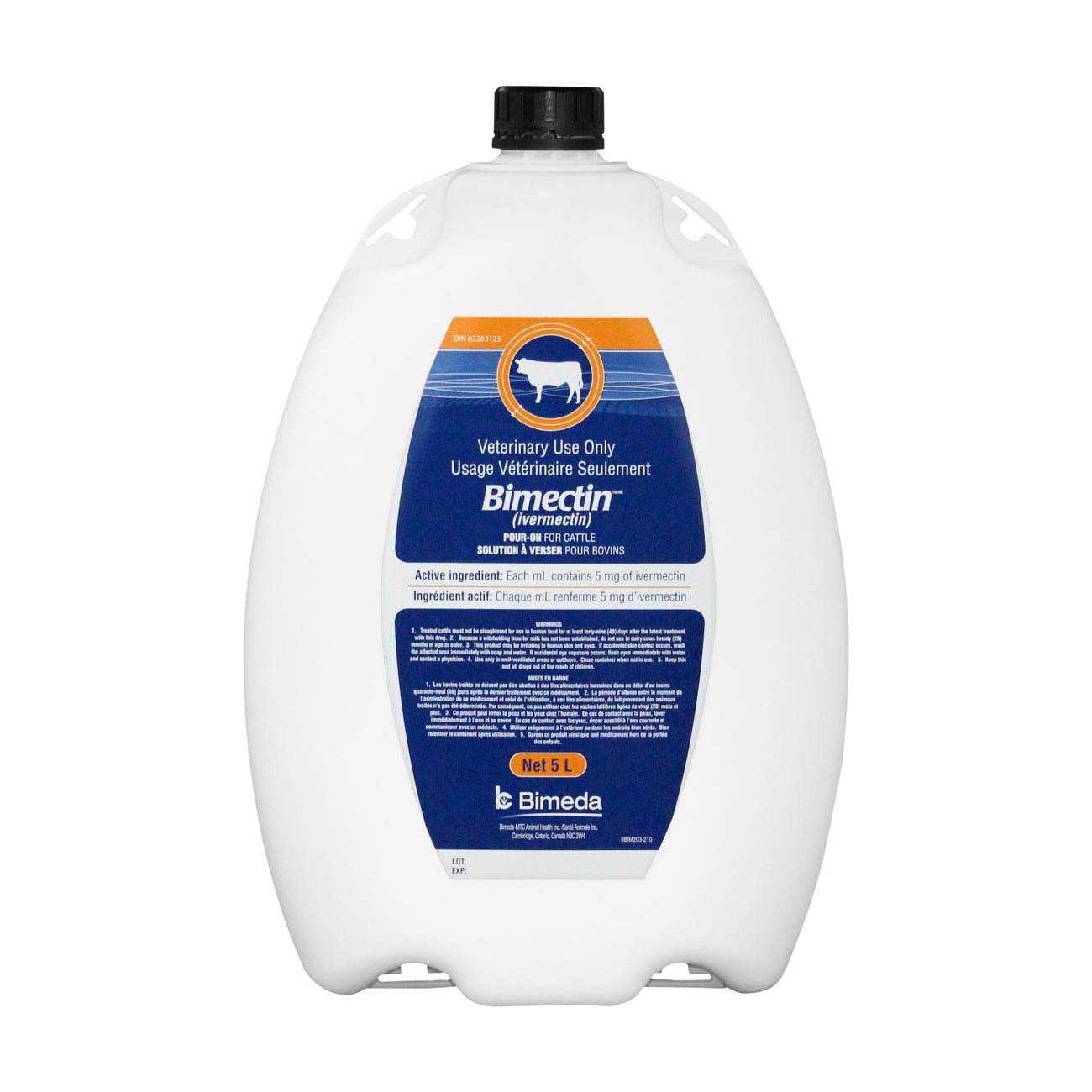
Bimectin Pour-On for Cattle: Dose, Withdrawal and Rain, from the Canadian Label
How much Bimectin Pour-On per cow, the 49-day meat withdrawal, rain and wet hides, dairy cows and grub timing, answered from the Canadian label and Health Canada's Drug Product Database.
Read post →Chicken Coop Heaters for an Alberta Winter: Heated Perches, Pads and Brooders
Does the coop need heat at all? What UNH and Kentucky extension say about winter heat, ventilation and frostbite, and how the K&H heated perches, pads and brooder plate we carry compare on K&H's own specifications.
Read post →Cattle Ear Tags in Canada: Approved Tags vs Visual Management Tags
What the CFIA rule on approved cattle tags says, where approved tags come from, and how the Z Tags visual management tags we list fit alongside them.
Read post →Pyrethrin Powder in Canada: What the Go Green Label Allows
Will pyrethrin powder kill wasps? Can it go in the garden or on chickens? The Doktor Doom Go Green label (PCP 29759) answers each question, quoted here.
Read post →Rodent and Mouse Repellents in Canada: Pouches, Spray or Plug-In? What the Labels Allow
Pouches, a spray or a plug-in unit? Three Health Canada-registered rodent repellents, three different jobs: what each label allows, indoors and out.
Read post →Mouse and Rat Bait in Canada: Domestic vs Commercial Class, and What Each Label Allows
People ask us for the strongest mouse poison in Canada. Health Canada labels do not rank strength; they set the active, the marketing class and the rules of use. Here is how the baits we list sort out.
Read post →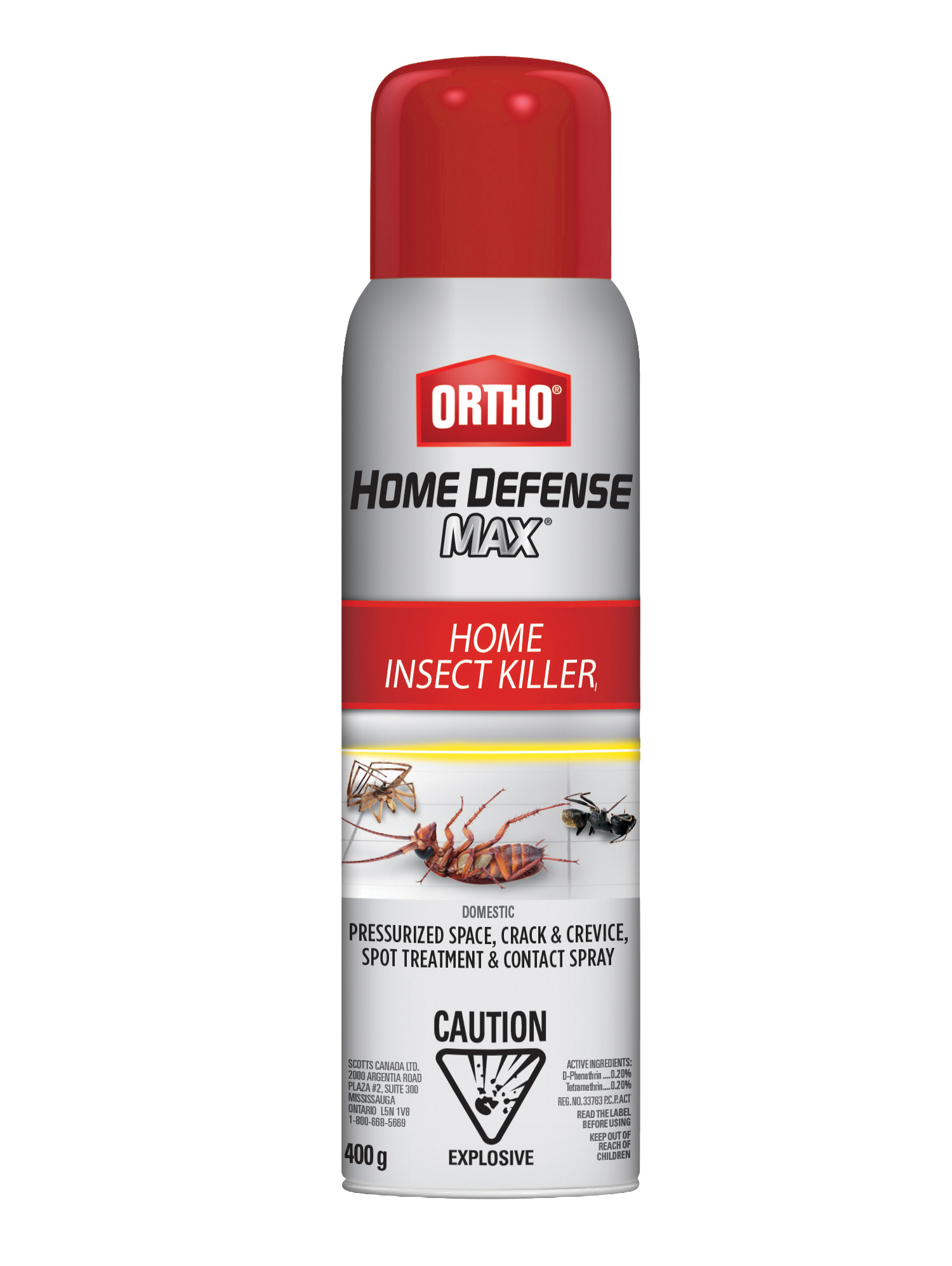
Crickets in the Garage or House: How to Get Rid of Them, by the Label
Why crickets move into garages and basements in fall, how extension entomologists say to keep them out, and which Health Canada labels list crickets.
Read post →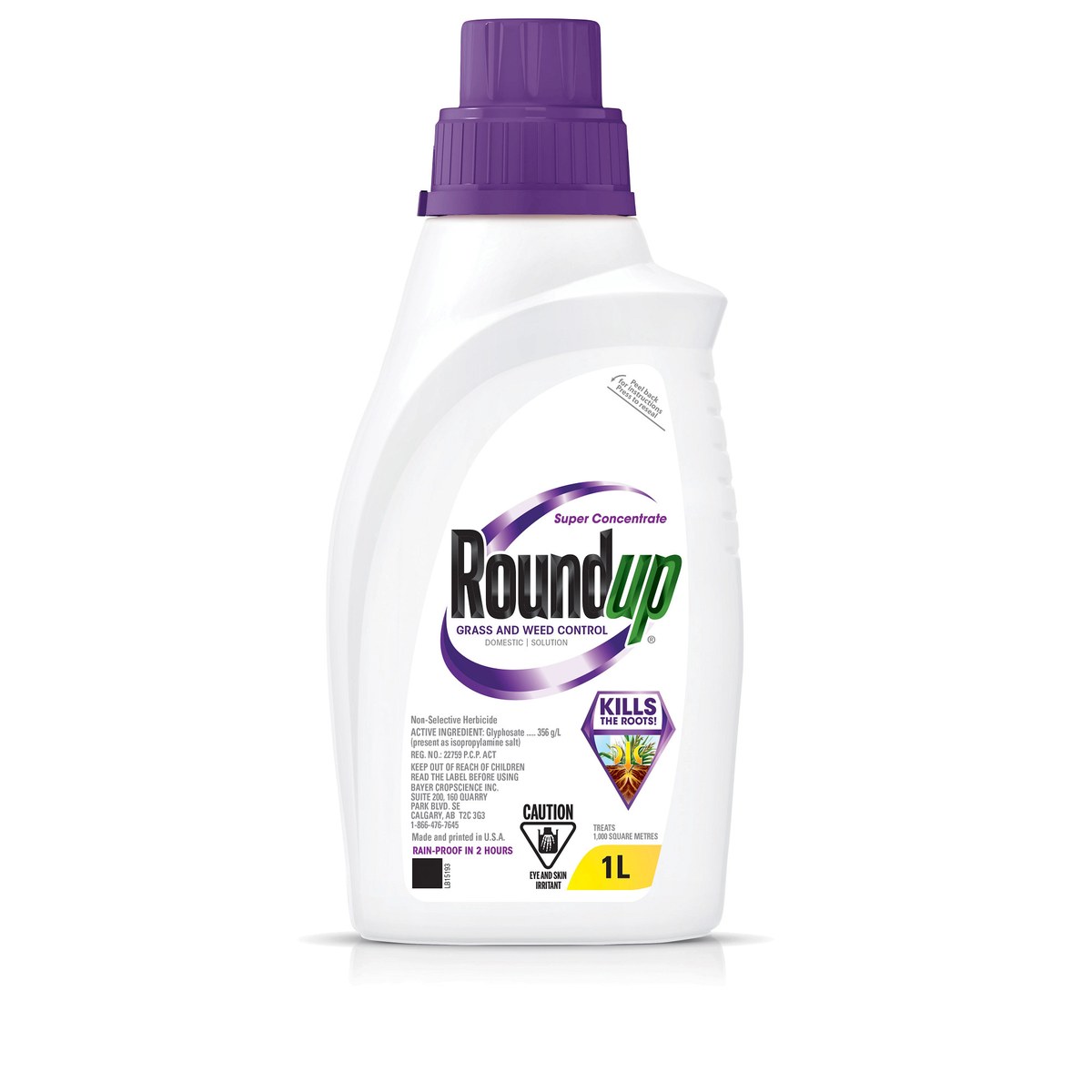
Which Roundup Has Glyphosate? Roundup vs Roundup Advanced in Canada
Roundup is a brand, not one chemical: which Roundup products contain glyphosate, which don't, and what each Canadian label says on mixing and rain.
Read post →Fall Lawn Fertilizer in Alberta: When to Apply and What the Scotts Labels Say
Which Scotts lawn food fits your lawn this fall, when Scotts says to apply it, and how much each bag or bottle covers, quoted from the labels.
Read post →Feeding Houseplants Through an Alberta Winter: What the Miracle-Gro Labels Say
Pumps per pot, spikes per pot size and how often: the Miracle-Gro indoor plant-food directions, as Scotts prints them, for the long Alberta winter.
Read post →Horse Dewormers by Active Ingredient: What the Canadian Labels Say
The seven horse dewormers we list in Millet use four active ingredients. Here is what each Canadian label says about which parasites it treats, how it is dosed and who should not get it.
Read post →Tomcat bait stations: mouse vs rat, refillable vs disposable, what the label says
Which Tomcat station is registered for mice and which for rats, how the refillable (diphacinone) and Advanced Formula (bromethalin) labels differ, and the spacing, bait-duration and glove rules each label sets.
Read post →What weeds does Killex control? The full label list, creeping Charlie to thistle
The Killex label registered with Health Canada names more than 50 lawn weeds it controls. Here is the list, verbatim, with what the label says about grass, new lawns and mixing.
Read post →How Long Does Killex Need Before Rain? Watering, Mowing and Mix Rate, Straight From the Label
What the Health Canada-registered Killex label says about rain and watering after spraying, new lawns and mowing, the 6 mL per litre mix rate, and applications per season.
Read post →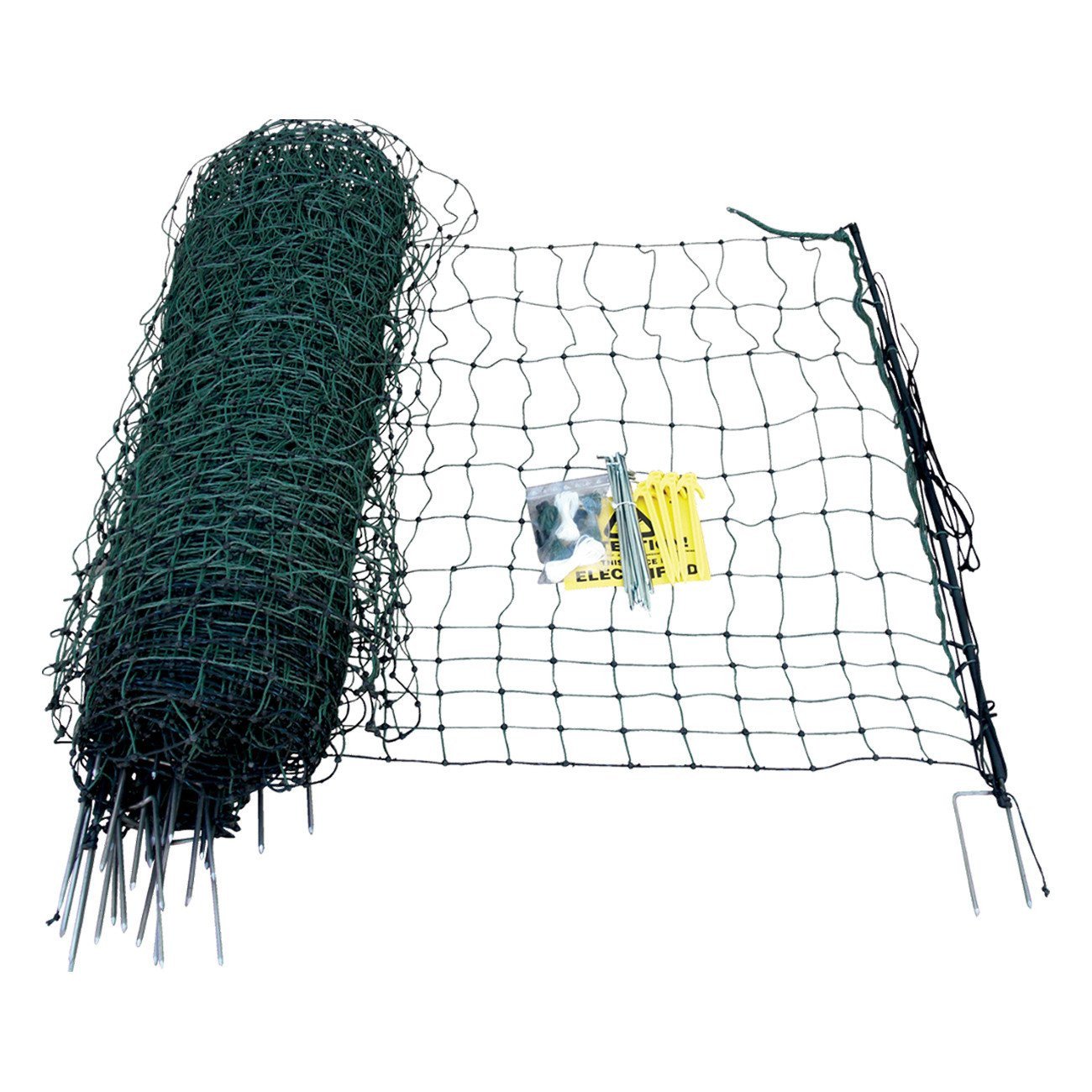
Electric Netting for Chickens, Sheep and Goats: Choosing, Powering and Grounding a Net
Which Patriot and Corral electric nets fit chickens, sheep or goats, when a positive/negative net beats a standard one, and how much energizer and grounding a net needs, from the manufacturers' specifications.
Read post →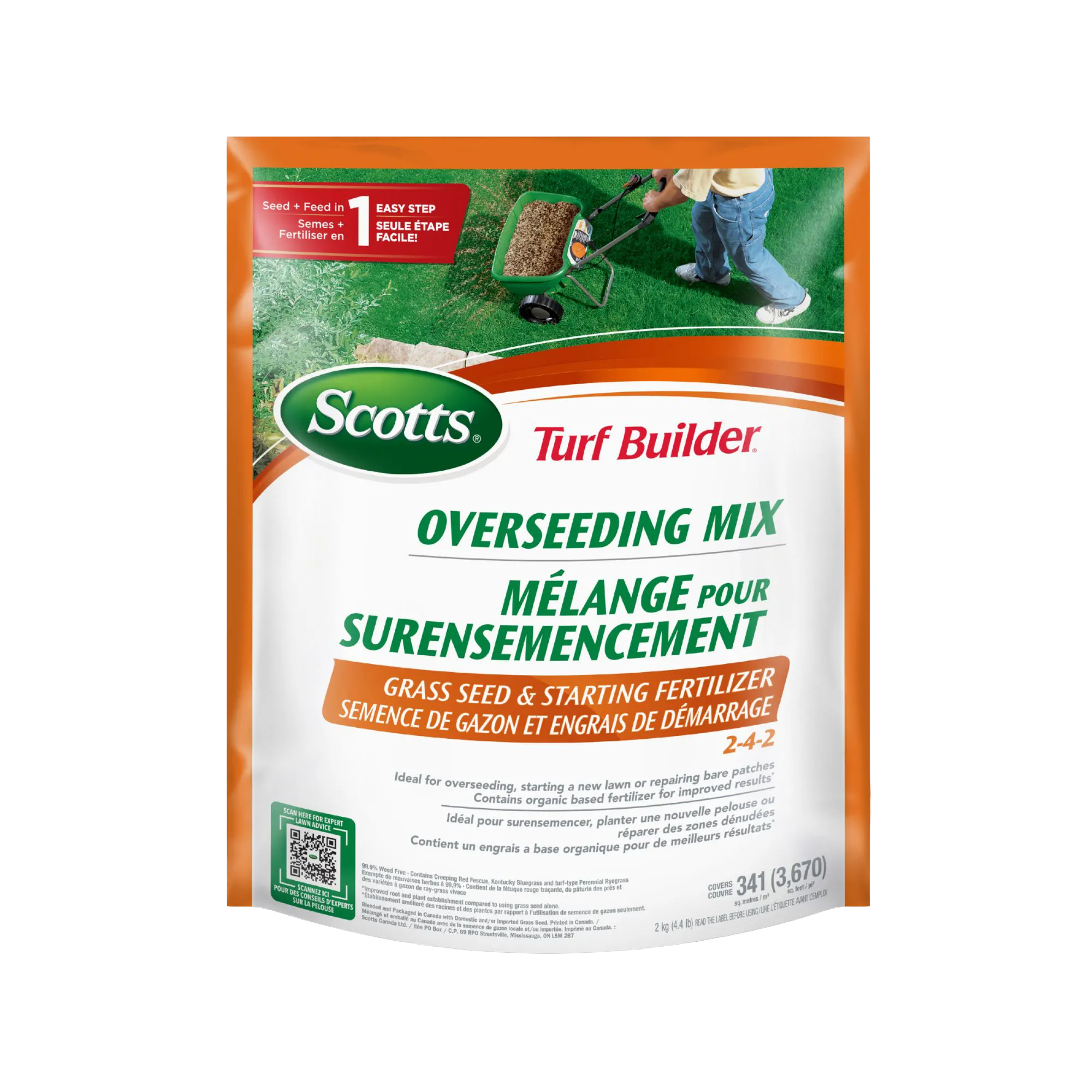
Fall Overseeding a Prairie Lawn: What the Scotts Label Says
The Scotts Quick + Thick label names early spring and early fall as the best times to plant. Which Scotts and Fafard grass seed to use for thin lawns, bare spots and shade.
Read post →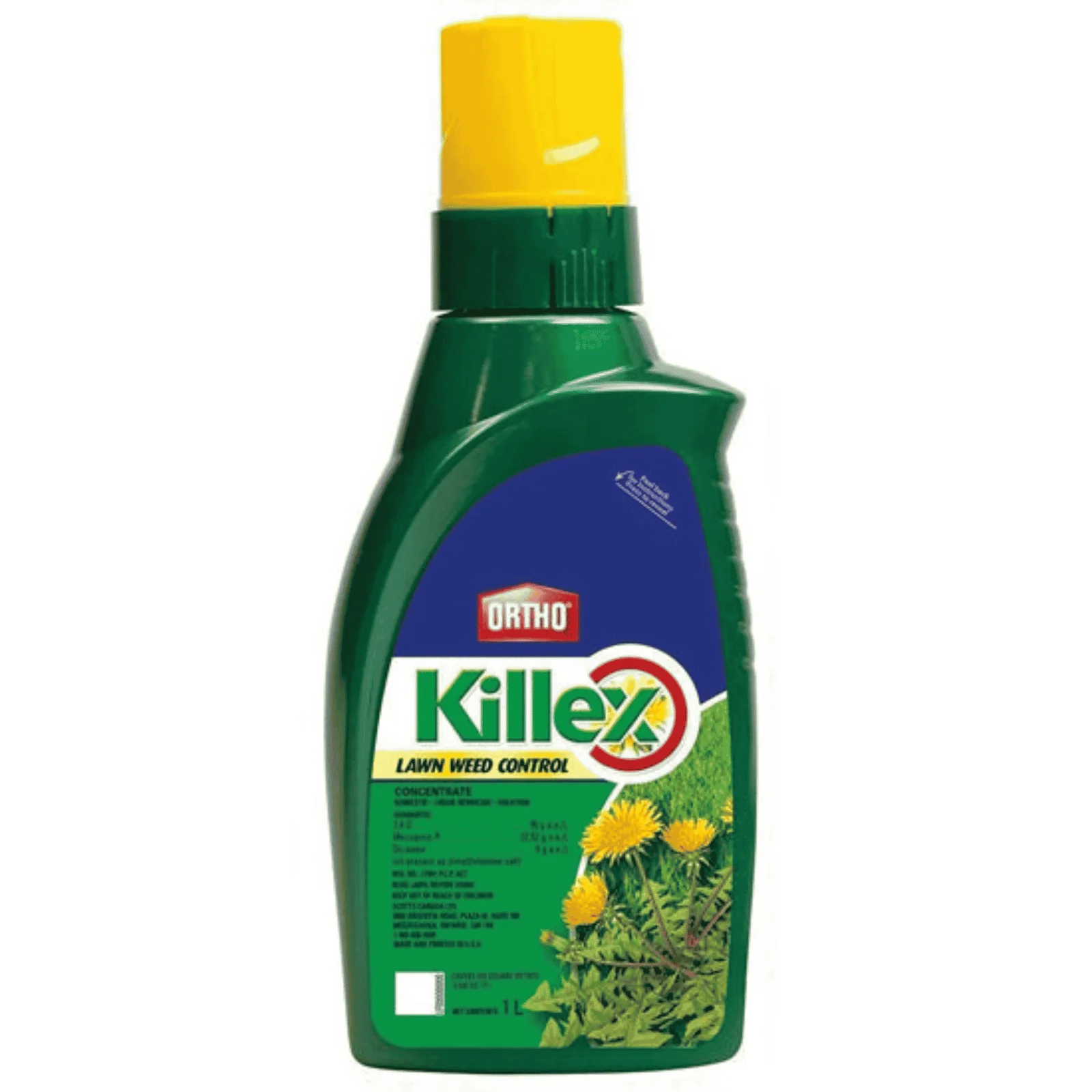
Killex vs Roundup: Which One Do You Need, and What the Label Says
Killex for weeds in the lawn, Roundup for weeds where nothing should grow. The four Killex formats we stock in Millet, what the label covers, and why the mix rate comes from the bottle.
Read post →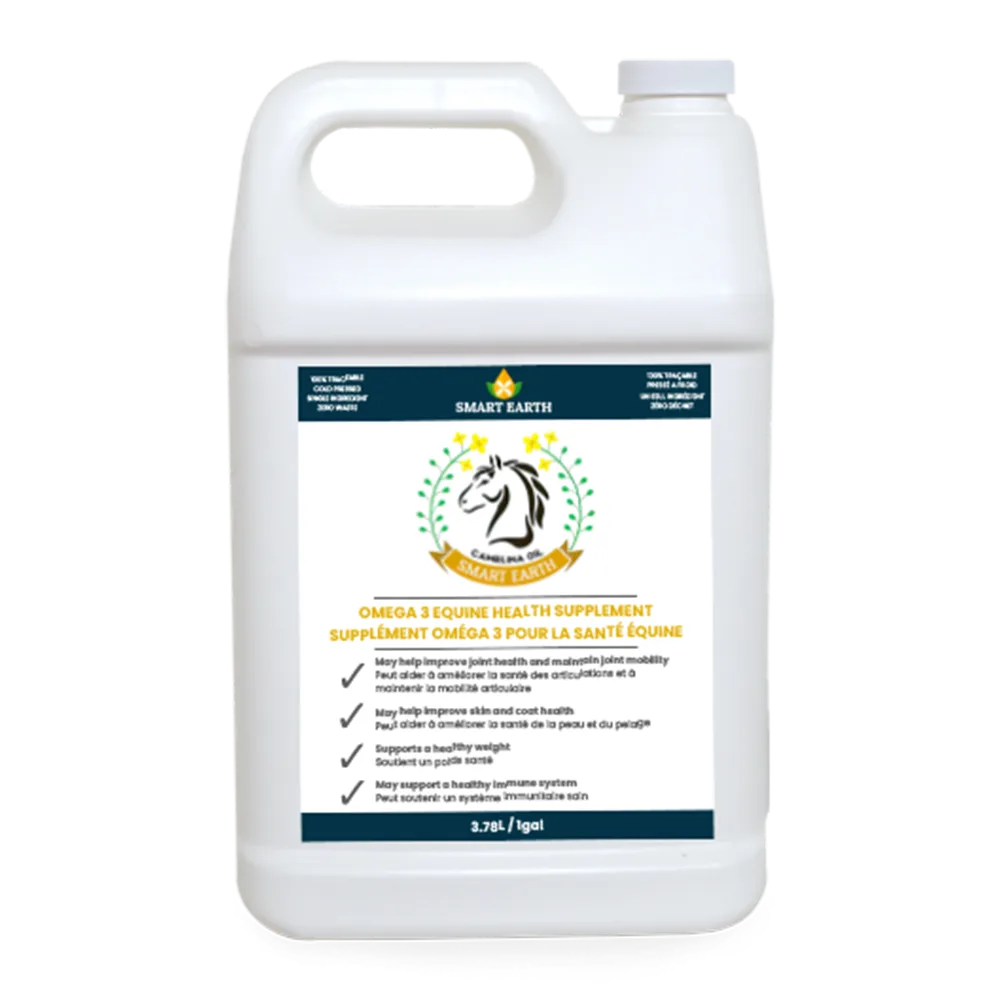
Camelina Oil for Horses and Dogs: What the Label Says and How to Feed It
Smart Earth Camelina Oil for horses and dogs, explained from the label: single-ingredient cold-pressed oil, the 30 mL equine and 5 mL per 25 lb canine feeding rates, which size to buy, storage and the printed cautions.
Read post →Electric Fence Energizer Sizing: How Many Joules Do You Need?
What joules and miles ratings mean, how to size a fence charger for cattle, horses, sheep and goats, mains vs battery vs solar, and why three ground rods matter.
Read post →Heated Water Buckets and Stock Tank De-Icers: Keeping Livestock Water Open Through an Alberta Winter
How to match a K&H stock tank de-icer, bucket heater, heated base or heated bowl to the horses, cattle, poultry, dogs and barn cats you keep — and set it up safely.
Read post →Mad Barn Omneity vs AminoTrace+: Which One Does Your Horse Need?
Omneity Premix, Omneity Pellets or AminoTrace+? What Mad Barn's own labels say about each balancer, who each is formulated for, feeding rates, and which sizes we stock in Millet.
Read post →Fall Mouse Control for Barns, Shops and Outbuildings in Alberta
A label-accurate fall plan for keeping mice out of barns, shops, grain bins and RVs: entry points, traps versus bait stations, and safe clean-up.
Read post →